
all-on-4 dental implants turkeyTurkey

all-on-4 dental implants turkey is a route people often research when looking at fixed full-arch treatment that may use four implants for one arch. Smile Center Health arranges the planning process as a health tourism facilitator and works with independent partner clinics in Turkey. Final diagnosis, suitability, and treatment planning are confirmed only after in-clinic examination and imaging, so the exact scope, timing, and outcome of treatment cannot be guaranteed in advance. For people travelling from the UK, this page explains the main planning points before requesting a treatment plan.

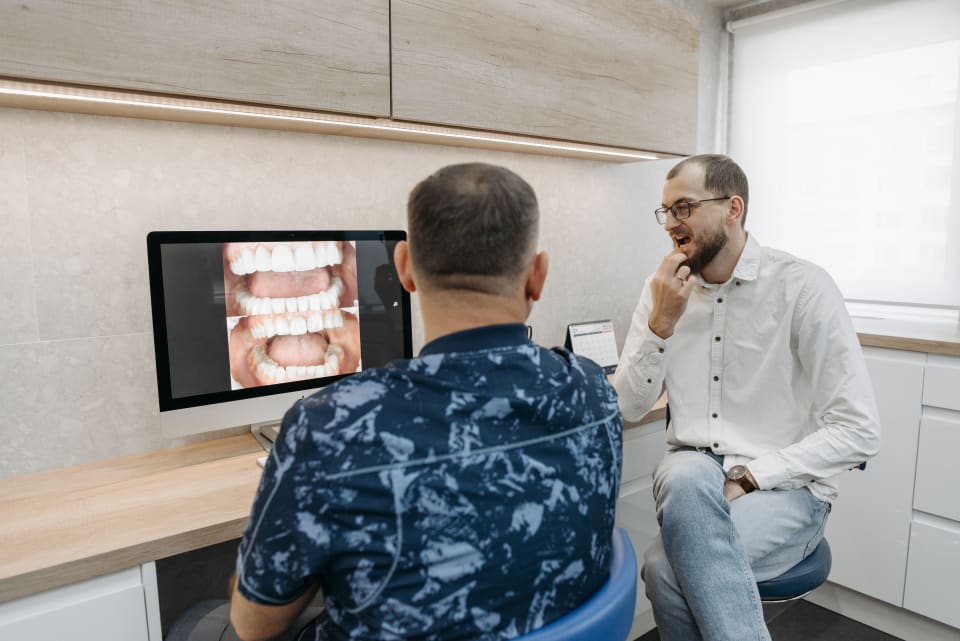
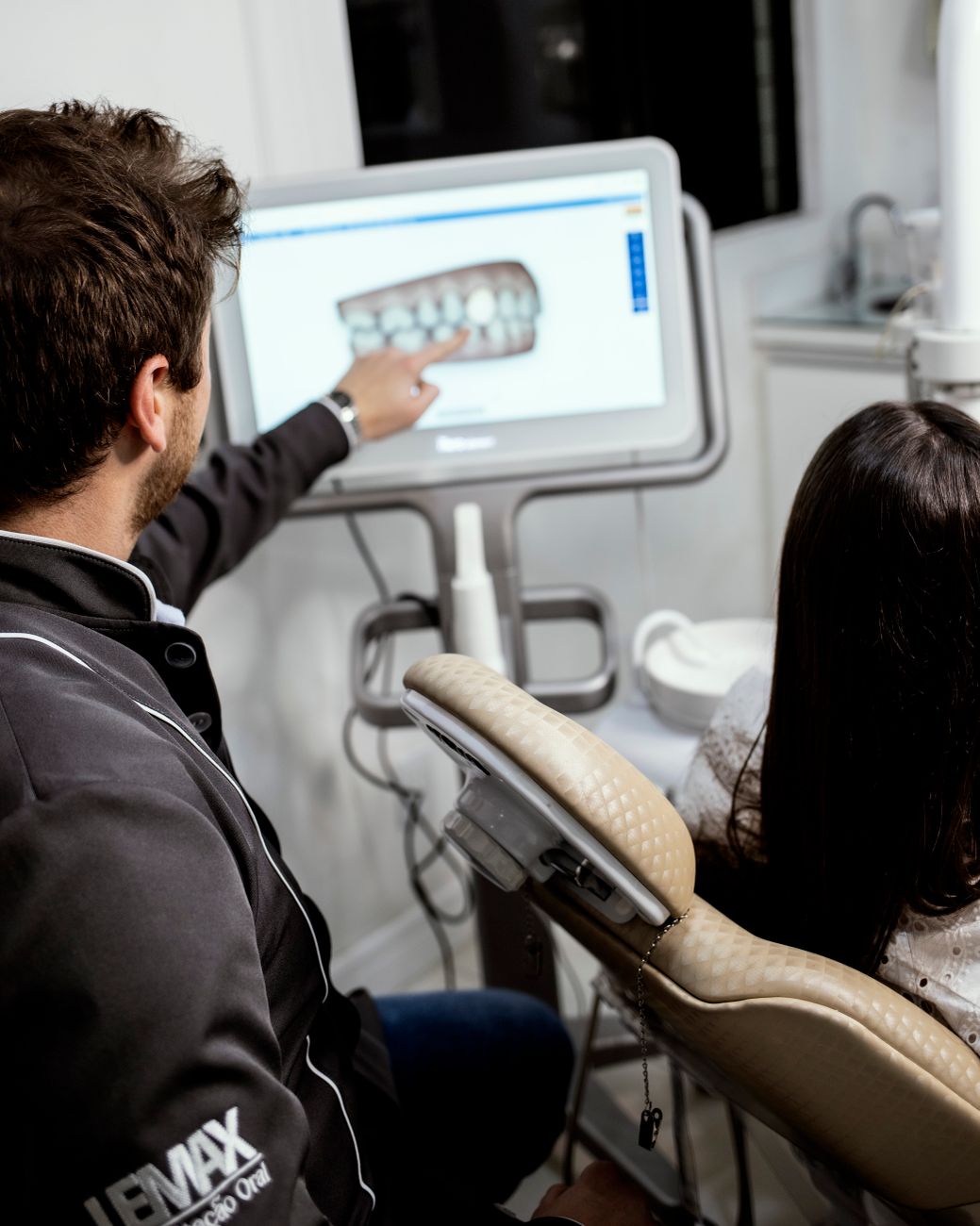
Patient reviewing full-arch dental implant planning with a dental professional using a tooth model.
RouteAll-on-4
Partner-clinic treatment planning

How treatment is arranged

Smile Center Health does not provide dental treatment directly. We coordinate enquiries, collect records, help organise travel logistics, and manage communication with independent partner clinics that may assess All-on-4 cases in Turkey. This means the first conversation is about planning and information gathering, not about issuing a final diagnosis online or promising a fixed treatment schedule before you arrive.

Any early review based on photos, medical history, or existing X-rays is preliminary only. The treating clinic confirms diagnosis, suitability, sequencing, and the written treatment scope after in-clinic examination and imaging. If findings differ from the pre-travel review, the plan, number of visits, restoration stages, or total scope may change. Outcomes and timelines vary by case, so they are not promised in advance.

Facilitator roleSmile Center Health manages communication and planning, not clinical treatment.
Independent partner clinicsCare is carried out by independent partner clinics in Turkey.
Assessment pointThe written plan is finalised after in-clinic checks.
Contact pathwayUse Contact or WhatsApp before you travel if anything is unclear.

all-on-4 dental implants turkey at a glance

4 implantsPer arch concept
Full archOne arch restoration plan
ImagingOn-site confirmation
StagedTemporary and final phases
UK recordsDocuments to take home

Documentation and follow-up planning

People researching all-on-4 dental implants in Turkey often focus on the treatment day itself, but paperwork and follow-up planning matter just as much. Before travel, it helps to collect and share any recent panoramic X-rays, CBCT scans, or treatment notes you already have, plus a short medical history, a current medication list, and details of allergies, dentures, previous extractions, or past implant treatment. Notes about current looseness, discomfort, chewing difficulty, or problems with existing dentures can also make the preliminary review more useful.

If you already wear dentures, it is worth noting how well they fit and whether there have been recent changes. If you have had earlier implant or restorative work, mention that too. These records can support a preliminary review and help the coordination process move more smoothly, especially when you are travelling from the UK and want to reduce avoidable back-and-forth before booking travel. Before travelling, it also helps to ask which documents the clinic expects in advance, whether existing scans are still usable, and who will provide post-visit instructions once treatment has started.

It is important, however, to treat any pre-travel review as preliminary. Photos, scans, and messages can help a partner clinic understand the case in broad terms, but they do not replace being seen in person. The in-clinic examination and imaging are the point at which the treating clinic confirms suitability, diagnosis, the number of arches being assessed, and whether the proposed route still fits the findings.

That same visit is also where practical planning becomes clearer. The clinic can confirm whether any preparatory treatment is advised, whether temporary and final restoration stages are likely to be separated, and what sequence of appointments is being planned. For some patients, this confirmation matters as much as the treatment itself because it affects time away from work, onward travel planning, and what paperwork should be expected before returning home.

Before leaving Turkey, patients may receive copies of relevant imaging, a written summary of treatment completed, product or implant details where issued by the clinic, and practical instructions about hygiene, eating, and review timing. The exact document set can vary between clinics and cases, so it is sensible to ask what will be provided before travel and again before departure.

Follow-up arrangements should also be clarified early rather than assumed. Some first checks may be handled remotely, while other concerns may need review by the treating clinic or a local dental professional in the UK. The most useful preparation is to leave with clear contact details, written guidance, and enough records to explain the treatment history if later dental care is needed. If temporary and final stages are planned separately, ask how that handover will be documented.

Before you travel

Share recent scans, medical details, denture history, and any past implant or extraction records you already have.

Ask before booking

Confirm what is still provisional, which records are needed, and what could change after examination and imaging.

At the clinic

Ask when examination, imaging, consent review, and the written treatment scope will be confirmed.

If stages are separate

Check how timing, documentation, and later handover will be explained if temporary and final phases differ.

Before you fly home

Request imaging copies, a treatment summary, product details if provided, and written hygiene guidance.

Back in the UK

Keep clinic contacts and records together in case later review or local dental input is needed.

Assessment confirms the scope

Photos and existing X-rays can support early review, but examination and imaging at the clinic confirm suitability and staging.

Timings can change by case

Visit structure, temporary phases, and review timing depend on assessment findings and the written plan.

Cost factors

What affects all-on-4 dental implants turkey planning costs

A headline figure is rarely useful on its own. For all-on-4 dental implants turkey planning, treatment scope and pricing are confirmed after clinical assessment, because the written plan depends on examination findings, restoration stages, and the complexity of the case. What looks like the same route on paper can still differ meaningfully from one patient to another. The points below explain the main variables that can change the final quotation without turning this page into a price list.

  • One arch or two arches
  • Imaging findings and bone condition
  • Preparatory treatment if advised
  • Temporary and final restoration stages
  • Material choice for the final teeth
  • Complexity of bite and prosthetic planning
  • Additional diagnostics if advised
  • Case scheduling and planning complexity
Number of arches

Planning for one arch is different from planning for upper and lower arches together. The written scope, number of restorations, laboratory work, and overall appointment structure can all change depending on how many arches are being assessed and treated within the same case.

Imaging and bone findings

Existing records can help with early review, but on-site imaging may reveal planning details that affect the route, sequencing, or need for additional preparation. Because the final plan is confirmed after examination and imaging, this factor can have a direct effect on the quotation.

Preparatory treatment

Extractions, hygiene treatment, or other preparatory steps may be recommended after assessment. If advised, they form part of the overall case planning rather than sitting outside it, which is why early estimates can change once the clinic confirms the written scope.

Temporary and final stages

Some cases are planned with clearly separated temporary and final restoration phases. The number of stages, reviews, and materials involved can change the overall cost, especially when the final teeth are being completed after an initial provisional phase.

Material selection

The type of final teeth and associated laboratory work can influence cost as much as the implant concept itself. Material choices are part of the final restorative plan, so they should be reviewed alongside maintenance expectations and stage timing.

Bite and prosthetic complexity

Existing dentures, worn teeth, jaw relationship, or a more complex bite may require more detailed prosthetic planning and extra adjustment time. Even within the same route, cases do not all have the same restorative complexity or laboratory demand.

Additional diagnostics or sedation

If the treating clinic advises extra imaging, additional diagnostics, or sedation for a particular case, those items may affect the total quotation. Whether they are relevant is confirmed clinically, not assumed in advance from a remote review.

Case scheduling

The number of planned visits and how stages are timed can influence logistics, laboratory coordination, and the way the final quotation is structured. This matters most when temporary and final phases are not completed under the same immediate timetable.

What to verify before you decide

Smile Center Health is a health tourism facilitator authorised by the Republic of Turkey Ministry of Health. If you are comparing all on 4 dental implants turkey options, consistent verification matters more than headline promises. Ask who is coordinating your case, which independent partner clinic would carry out treatment, what documents have already been reviewed, and when the written scope will be confirmed. A clear process should separate coordination from clinical delivery, and it should make it easy to understand what is preliminary before travel.

The same principle applies to broader full arch dental implants turkey research. Early opinions based on photos or existing records can help with planning, but they are not the final diagnosis. Suitability, staging, imaging findings, and the precise treatment plan are confirmed at the clinic. Timelines, comfort, and longer-term outcomes vary by case, so they should be discussed carefully rather than presented as fixed guarantees.

When comparing enquiries, try to verify the same points each time so you are judging process quality, not just headline marketing language. For people returning to the UK, written records and a clear contact pathway are practical trust signals. They make it easier to understand what was done, what happens next, and who to contact if a later question arises.

What to verify

  • Facilitator authorisation Confirm that Smile Center Health is acting as a facilitator and that clinical treatment is not being presented as in-house care.
  • Named treating clinic Ask which independent partner clinic is expected to assess and treat your case before travel, even if the final plan is still provisional.
  • Examination and imaging Check when on-site examination and imaging will confirm suitability, staging, and the written plan rather than relying only on remote review.
  • Written treatment scope Request a clear note of what is included, what remains provisional, and which items depend on the in-clinic findings.
  • Stage-by-stage expectations Clarify how temporary and final phases are planned, how many visits are expected, and what may change once the clinic examines you.
  • Follow-up contact and records Before returning to the UK, ask what records, contact details, and review instructions you should keep for later reference.

Smile Center Health is a health tourism facilitator authorised by the Republic of Turkey Ministry of Health. Treatment is delivered by independent partner clinics, and final diagnosis and treatment planning are confirmed after in-clinic examination and imaging.